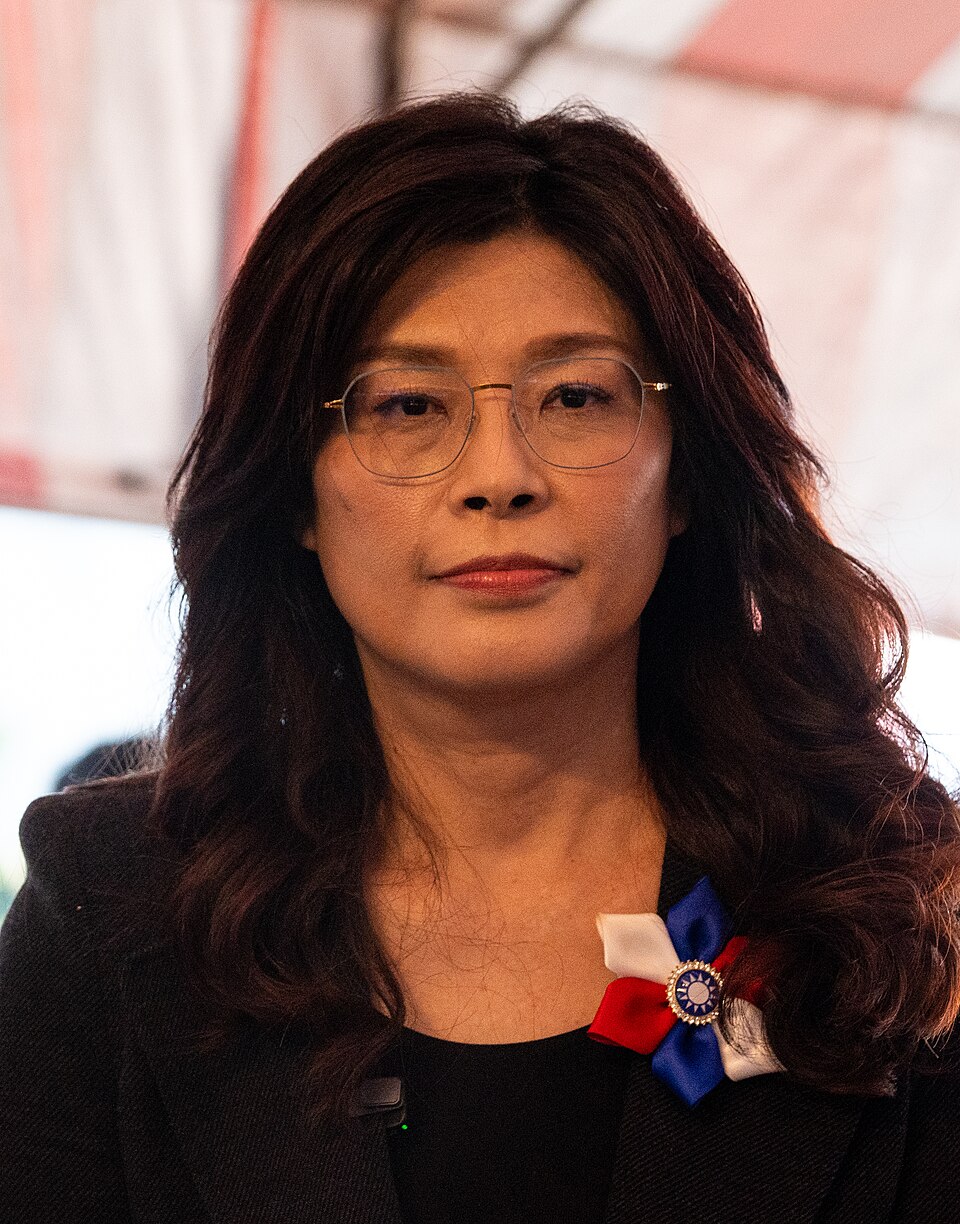
Cheng Li-wun's Diplomatic Overture: A Bid for Cross-Strait Stability
In a move poised to significantly impact the intricate dynamics of cross-Strait relations, Cheng Li-wun, the influential chairperson of Taiwan's main opposition Nationalist Party (KMT), is embarking on a pivotal visit to mainland China. This high-stakes engagement comes at the direct invitation of Chinese President Xi Jinping, signaling a renewed push for dialogue from Beijing's side and a commitment from the KMT to pursue a more conciliatory approach. The Taiwan KMT Chair Cheng's China trip: seeking cross-Strait peace is not merely a diplomatic formality; it represents a calculated effort by the KMT to "advance the peaceful development of cross-Strait relations," foster greater exchanges and cooperation, and actively "work for peace in the Taiwan Strait and greater well-being for people on both sides."
For many observers, the significance of Cheng Li-wun's China visit cannot be overstated. Should Cheng meet with President Xi, it would mark the first summit between an incumbent KMT leader and Xi since 2016, underscoring the potential for a thaw or at least a re-evaluation of engagement strategies. Cheng Li-wun, a seasoned Taiwanese politician with a unique trajectory from the Democratic Progressive Party (DPP) to the KMT, brings a multifaceted perspective to these sensitive discussions. Born in 1969, her political evolution mirrors Taiwan's own democratic journey, providing her with an intricate understanding of both sides of the domestic political spectrum. As the second woman to lead the KMT, her leadership signifies a modern era for the party, tasked with navigating increasing regional tensions while advocating for stable cross-Strait ties.
The KMT leader has been unequivocal in reiterating her party's "opposition to Taiwan independence," a stance that fundamentally differentiates them from the ruling, independence-leaning Democratic Progressive Party (DPP) under President Lai Ching-te. Cheng expressed her hope that the trip would lay "a solid first step toward enduring and sustainable peace" across the Taiwan Strait, highlighting the urgency and long-term vision underpinning her delegation's efforts. Beyond high-level political discourse, Cheng also intends to address practical issues affecting Taiwan's industries, exploring avenues for cooperation that could yield tangible benefits for both sides and contribute to global stability.
The KMT's Distinct Path: Dialogue Amidst Geopolitical Tensions
The KMT's philosophy regarding mainland China diverges sharply from that of the DPP. While the DPP, under President Lai Ching-te, tends towards a more defensive posture and emphasizes Taiwan's sovereign independence, the KMT champions a pathway of dialogue and engagement. This approach is rooted in a historical framework that, despite past conflicts, recognizes the deep cultural and economic ties between Taiwan and the mainland. For the KMT, open channels of communication are not a sign of weakness but a pragmatic necessity for de-escalating tensions and fostering mutual understanding.
Cheng Li-wun's agenda during her cheng li-wun china trip extends beyond symbolic gestures. She aims to delve into specific issues that directly impact Taiwan's economic prosperity and the daily lives of its citizens. This includes exploring opportunities for cooperation and exchanges on key economic, industrial, and cultural issues. For instance, discussions could potentially cover reducing trade barriers, enhancing cross-Strait investment, facilitating tourism, and expanding educational and cultural exchanges. These areas, if successfully navigated, could not only bolster Taiwan's industries but also strengthen people-to-people connections, building a foundation of trust that transcends political divides.
The success of such dialogue often hinges on the ability of both parties to articulate their positions clearly and identify common ground, even amidst significant differences. Cheng's willingness to engage on these practical levels underscores the KMT's commitment to finding solutions that prioritize the well-being of the Taiwanese people. This proactive stance seeks to demonstrate that diplomacy, even under challenging geopolitical circumstances, remains a viable and essential tool for conflict prevention and fostering prosperity. By focusing on shared interests and practical cooperation, the KMT hopes to demonstrate the benefits of a less confrontational approach, offering a tangible alternative to the rising rhetoric of separation and conflict. For more insights into this strategic pivot, consider reading KMT's Cheng Li-wun: A New Path for Taiwan-China Relations?
Navigating Domestic and International Scrutiny
The timing of Cheng Li-wun's China visit is particularly salient, unfolding against a backdrop of intensified domestic political debates and heightened international scrutiny. Domestically, the DPP government is pushing for a significant NT$1.25 trillion ($40 billion) in additional defense spending. This proposal, however, faces a challenging path through Taiwan's opposition-controlled legislature, where the KMT holds considerable influence. The divergence in priorities – defense spending versus dialogue – highlights the deep political fissures within Taiwan itself regarding the optimal strategy for securing the island's future.
Cheng has openly stated her willingness to meet with President Lai Ching-te, either before or after her trip, emphasizing that "There are too many knots to untangle, and Taiwan cannot continue in endless internal political strife." These "knots" likely refer to the myriad of challenges facing Taiwan, from economic pressures and social divisions to the ever-present security concerns, all exacerbated by a highly polarized political landscape. The internal political strife not only distracts from addressing critical national issues but also complicates Taiwan's ability to present a unified front on the international stage.
Internationally, Taiwan's Presidential Office has stated it will "closely monitor" Cheng's possible meeting with Xi, underscoring the sensitivity of the visit. Simultaneously, a delegation of four visiting U.S. senators recently urged Taiwan to pass the additional defense spending, signaling Washington's continued commitment to Taiwan's security, even in the absence of formal diplomatic ties. The United States remains Taiwan's most crucial arms supplier and a vital trading partner, making its voice significant in the strategic calculations of all parties involved. Senator Jeanne Shaheen articulated the broader concern, noting that "peace and stability in the Taiwan Strait are essential to the global economy and shared prosperity," referencing "increased pressure from Beijing, including military activity around Taiwan that raises the risk of miscalculation." This global interconnectedness means that any developments stemming from Cheng Li-wun's China trip will be observed not just in Taipei and Beijing, but in capitals worldwide.
Cheng Li-wun's Itinerary: Symbolism and Substance
While the KMT initially only specified the trip would take place in April, China's official Xinhua News Agency reported a more detailed itinerary: Cheng Li-wun is expected to visit Beijing, Shanghai, and the eastern coastal province of Jiangsu from April 7 to 12. Each of these locations carries significant symbolic and practical weight:
- Beijing: As the political capital, a visit to Beijing suggests high-level political talks, potentially including the anticipated meeting with President Xi Jinping. This is where strategic directions and overarching principles for cross-Strait relations would likely be discussed.
- Shanghai: China's economic powerhouse, Shanghai offers a platform for economic discussions, trade opportunities, and engagement with business leaders. It symbolizes the economic interdependence and potential for mutual benefit.
- Jiangsu Province: This eastern coastal province is a major industrial hub with strong historical and cultural ties to Taiwan. Visits here could focus on practical cooperation in specific industries, investment opportunities, and cultural exchanges, directly addressing Cheng's goal of discussing issues affecting Taiwan's industries.
The carefully chosen itinerary reflects a desire to engage across political, economic, and cultural dimensions. This holistic approach by Cheng Li-wun's China delegation aims to build goodwill and explore concrete avenues for cooperation, moving beyond mere political rhetoric. Such a comprehensive engagement strategy is crucial for bridging divides and fostering a more stable environment in the Taiwan Strait.
Conclusion: A Path Forward Amidst Uncertainty
Cheng Li-wun's upcoming visit to mainland China represents a critical juncture in cross-Strait relations. As the KMT leader, her commitment to dialogue and the pursuit of peaceful development offers a distinct alternative to the escalating tensions that have characterized recent years. While the path to "enduring and sustainable peace" is fraught with historical complexities, domestic political divisions, and significant international pressures, Cheng's diplomatic overture provides an opportunity for direct engagement on crucial issues. The outcomes of this visit, particularly any meeting between Cheng and Xi, will be closely watched by all stakeholders, offering potential clues for the future trajectory of Taiwan-China relations and regional stability. It underscores the enduring belief that even in the face of profound differences, dialogue remains an indispensable tool for preventing conflict and fostering a more prosperous future for people on both sides of the Taiwan Strait.